

News
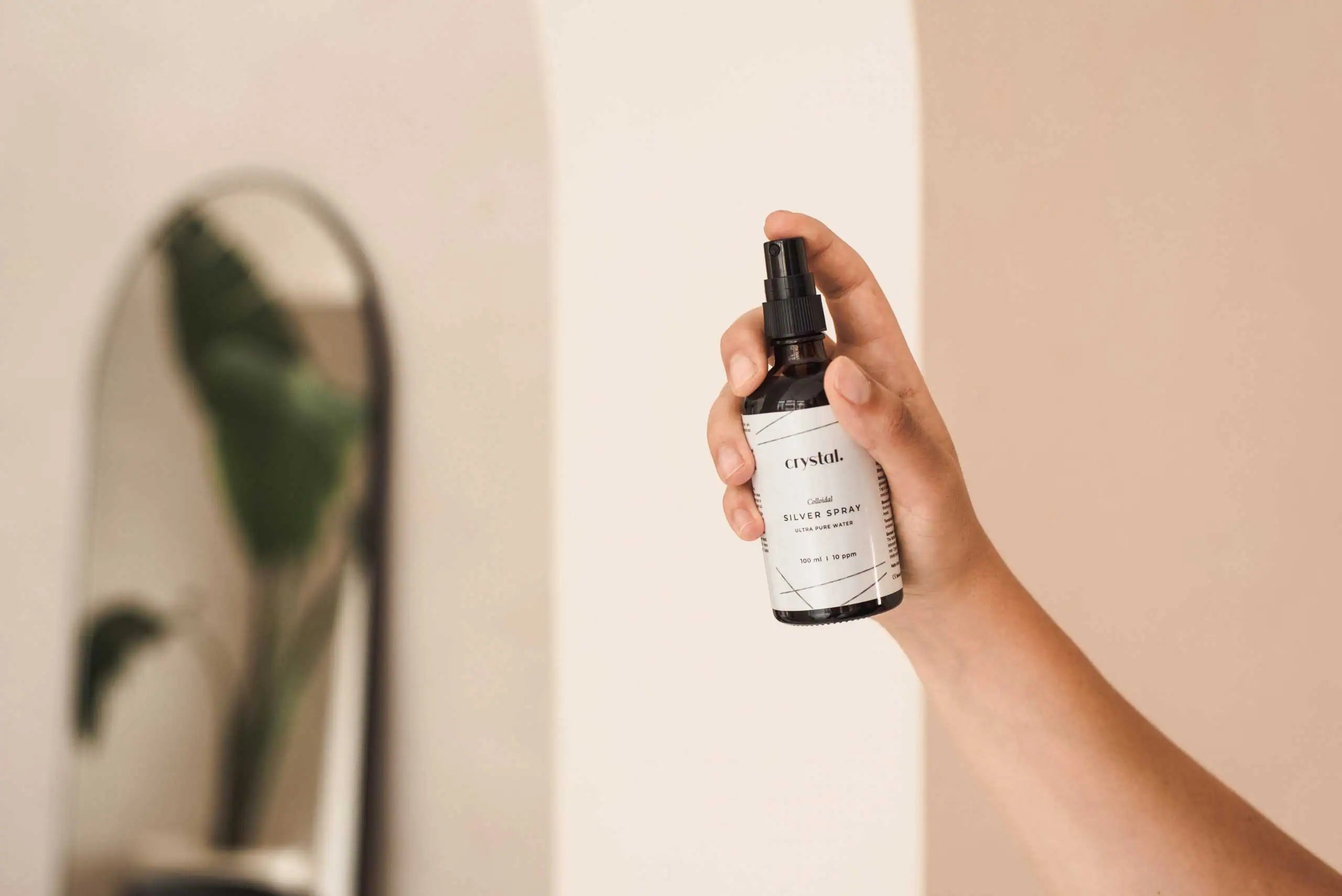

Colloidal silver: a natural solution against microorganisms
Colloidal silver: a natural solution against microorganisms Have you ever wondered how our ancestors were able to heal people without all the advanced techniques and medicines we know today? The answer to this question is simple - through the use of Earth's natural resources. Colloidal silver, as we know it today, was developed only recently. People used to use silver in its full form to keep water fresh, among other things. Think of silver coins added to liquids. In our current age, where holistic health is becoming increasingly important, colloidal silver is a valuable addition. What exactly colloidal silver is, we explain in this blog! What is colloidal silver? Colloidal silver is also called nanosilver or colloidal silver water. It is a special solution of pure water to which tiny silver particles are added. Colloidal silver water from Crystal Colloidals contains tiny silver particles with a size of 0.65 nanometers and a purity of 99.99%. The effectiveness of this silver water is enhanced by special treatment with pure water. The strength of this nanosilver lies primarily in its composition, which enables its use in various applications. These include the control of bacteria, fungi, and viruses, among others. Colloidal silver has been used for centuries for various purposes, such as purifying water and preventing wound infections. Are you curious about the history of colloidal silver? Then click here for our extensive blog article. How does colloidal silver work? The tiny silver particles in colloidal silver possess antimicrobial properties. When these tiny particles come into contact with bacteria, fungi, or viruses, for example, they can inhibit their growth and spread. Thus, pathogens are stopped. Although scientists are researching the effects of colloidal silver, more and more people are emphasizing its benefits. How do silver particles form? Colloidal silver thus consists of silver particles. These tiny particles are obtained using advanced techniques. The unique Crystal Colloidals process begins with high-purity metal with a purity of 0.9999, also known as the "four nines purity. The metal is first converted into individual atoms, which are then combined to form particles, each consisting of nine or more atoms. After this, they are evenly dispersed in deionized water. Because of the so-called zeta potential, which provides a small negative charge per particle, the particles repel each other. This allows them to remain evenly dispersed in the water. No chemicals, protein binders, or other additives are used during the Crystal Colloidals process. Only pure metal and pure water are used. This unique process has been in development for 10 years. Another important aspect within technology is the ratio of silver to water. This varies from product to product. For example, for our colloidal silver, we use a unique ratio that is gentle enough for homeopathic use. This method requires expertise and therefore should not be made at home! How is authentic colloidal silver different from other silver products on the market? Authentic colloidal silver differs from other silver products. This distinction is mainly in the size and stability of the silver particles dissolved in the pure water. The action of the silver water is not due to ions, as is the case with other silver products. Moreover, colloidal silver is produced without unwanted reactions with other substances, unlike, for example, the process of obtaining silver chloride. Are you curious about the quality of our colloidal silver and how our product differs from other silver products on the market? Read it here! The outstanding quality of Crystal Colloidals Quality is paramount at Crystal Colloidals. With more than 25 years of experience, we have refined our expertise and can distinguish ourselves in the market. We can guarantee this by conducting thorough research and a continuous improvement process, based on both ancient knowledge and modern science. Our goal is to provide the best colloidal products. We use only the purest minerals, which we convert into high-quality colloidal solutions with optimal concentration and particle size. The quality of our product is also guaranteed by controls in independent ISO-certified laboratories. In this way, we can offer our customers effective and pure products.
Learn more
What is the Herxheimer reaction? Explanations, symptoms and how to deal with it
When you take antibiotics or colloidal minerals, you may notice that your symptoms temporarily worsen. This phenomenon is known as the Herxheimer reaction. This reaction is sometimes perceived as frightening, but it is often actually a sign that the body is working to recover. In this article, we discuss exactly what this means and why it happens. What is the Herxheimer reaction? The Herxheimer reaction, also known as the Jarisch- Herxheimer reaction, was first described by dermatologists Adolf Jarisch and Karl Herxheimer. They discovered this reaction while treating Syphilis patients. These patients were treated with mercury and later antibiotics. When fighting viruses, bacteria, or fungi, many toxins and waste products are released into the bloodstream. These substances can overload the kidneys and liver, leading to a worsening of symptoms. This reaction is not a side effect of the medication or supplements, but rather an immune reaction of one's own body. Symptoms that may occur include: Headache Nausea and vomiting Flu-like symptoms Fatigue Shivers Muscle pain Concentration problems While these symptoms may be annoying, it is important to realize that they are often a sign of recovery. What is the best way to deal with the Herxheimer reaction? The key to dealing with the Herxheimer reaction as effectively as possible is knowledge. When you know what AND why it is happening, you can prevent panic. It also allows you to trust your body's natural recovery process. Some practical tips to help you through this period are: Hydrate wellDrink enough water to help your body eliminate waste products. Proper hydration supports the functioning of your liver and kidneys. RestTo give your body time to recover, it is important to ensure adequate rest and sleep. Avoid overexertion. Be careful with herbsSome herbs can worsen the Herxheimer reaction. If you want to start using supplements, consult with an expert first. Try a detox bathA bath with Epsom salt, for example, can help remove toxins through the skin. AromatherapyEssential oils can help with relaxation and symptom relief. Are you having doubts? Or are your symptoms getting worse? If so, contact a health care provider for advice. The science behind the Herxheimer reaction To properly understand the Herxheimer reaction, it is important to elucidate the science behind it. As described earlier, the Herxheimer reaction occurs when toxins are released when microorganisms are fought by the body's own immune system. The liver and kidneys play an important role in filtering these toxins. However, this process can release a large amount of waste into the bloodstream, causing symptoms. The body goes through a kind of healing crisis, which is often a sign that the treatment is effective. The importance of patience and trust Experiencing a Herxheimer reaction can be discouraging, especially when you feel worse while trying to get better. Still, patience is important. Try to think of it as a temporary obstacle on the road to recovery. Follow your health care provider's advice. Remember, it is a temporary discomfort, and your body is working hard to recover on its own. Frequently asked questions about the Herxheimer reaction How long does the Herxheimer reaction usually last?This varies from person to person, but most reactions last from a few days to a few weeks. In most cases, symptoms gradually decrease as the body removes waste products. Can the Herxheimer reaction be prevented?Not completely, but by gradually building up the treatment and using supportive methods, you can reduce the intensity of the reaction. Is the Herxheimer reaction a sign that the treatment is working?Yes, the Herxheimer reaction is often a positive sign that the treatment is effective. Although the symptoms may be uncomfortable, they generally indicate progress in the healing process. Can the Herxheimer reaction return during treatment?Yes, it is possible for the reaction to return during treatment. This could occur when the treatment intensity is adjusted or when new microorganisms are targeted. These recurring Herxheimer reactions are usually less severe than the initial reaction. How can you distinguish a Herxheimer reaction from a treatment side effect?This can be tricky because both can cause similar symptoms. In such cases, it is important to consult a health care provider. Can the Herxheimer reaction occur due to changes in diet or fasting?Yes, changes in a diet or fasting can trigger detoxification processes that could cause a Herxheimer-like reaction. This emphasizes the importance of gradual changes and proper support. Is the Herxheimer reaction the same for everyone?No, the reaction can vary greatly among individuals. Several factors come into play. Consider general health, type of treatment, specific condition, and severity of toxin accumulation. Can the Herxheimer reaction be dangerous?In most cases, the reaction is uncomfortable but not immediately dangerous. Contact a doctor immediately if you experience severe symptoms such as an allergic reaction, neurological symptoms, or severe dehydration. Conclusion The Herxheimer reaction is a challenging and uncomfortable, but essential stage on the road to better health. Although it can be discouraging at times, it often means that your body is responding positively to treatment. The immune system is hard at work removing waste products or fighting harmful microorganisms. It is very important to be well-informed, patient, and confident to overcome this temporary obstacle on the road to recovery. Remember that the experience of the Herxheimer reaction is unique to everyone. It is crucial to prioritize self-care, emotional support, and your overall well-being during this process.
Learn more
The History of Colloidal Silver
Colloidal silver, a solution of pure water and microscopic silver particles, is gaining popularity. But did you know this powerful element dates back thousands of years? Throughout the ages, silver has played an important role in human health. Several ancient civilizations used silver not only for its antibacterial properties, but also to make food last longer. In this article, we will take you on a journey through the history of colloidal silver, from its early uses in medicine to the renewed interest in this natural remedy today. The Use of Silver in Ancient Times Even in ancient times, people used silver for its special properties. The precious metal served not only as a status symbol but also as a powerful remedy with healing qualities. Over the centuries, various civilizations recognized the versatility of silver for both practical and medical applications, which eventually shaped the history of colloidal silver. The Egyptians Around 3000 BC, the ancient Egyptians were already using silver. Hieroglyphics show that they used silver plates in surgical procedures to prevent infections, indicating the early uses of silver in medical treatments. This discovery was a precursor to the later use of silver in medicine. In addition, the Egyptians used silver because of its preservative properties. Silver objects also played an important role in the embalming process, helping preserve and protect the body of the deceased from bacterial contamination. Greeks and Romans In ancient Greece, the use of silver continued to expand. Hippocrates, the famous physician, described the healing effects of silver in treating wounds in the 5th century BC. Greeks and Romans discovered that silver could prevent infections and speed up the healing process, which laid the foundation for the later use of silver in medicine, and eventually in the history of colloidal silver. In addition, they discovered that silver could purify water. Roman soldiers used silver items to keep their food and water fresh longer, which protected them from disease and food poisoning. Oriental medicine In the traditional medicine of East Asia, particularly in China and India, silver also found its place. In China, people used silver to balance energy in the body. Within the Ayurvedic system in India, silver was considered a powerful tool for strengthening the immune system, thereby contributing to the broader history of silver's use in medicine. Silver as a protective metal in the Middle Ages During the Byzantine Empire and the Middle Ages, silver continued to play an important role in both religious and medical contexts. People valued it not only for its economic value, but also for its symbolic and medicinal properties. They saw silver as a protective metal that could ward off evil influences. Noble families stored food in silver vessels. This turned out to have an unintended benefit: the silver helped protect them from bacterial contamination. This was especially handy during epidemics, such as the Black Death. The Use of Silver in Early Modern Medicine Between the 15th and 18th centuries, medicine changed considerably with the emergence of science and new treatments. During this period, researchers combined ancient Greek and Roman knowledge with new discoveries. Silver rose to prominence in the medical world as a result, especially during the Renaissance in the 15th century. The Swiss physician Paracelsus was a pioneer at this time. He recognized the potential of silver as a remedy for a variety of ailments and laid the groundwork for a mineral-oriented medicine. An important breakthrough followed in the 19th century. German physician Carl Crede used silver nitrate to prevent eye infections in newborn babies. This innovation was a crucial step in the medical use of silver, making it an important weapon in the fight against infections. The Discovery of Colloidal Silver In the late 19th century, scientists investigated the antimicrobial properties of silver, leading to the development of colloidal silver: a solution of silver particles in water. In 1857, for example, British scientist Michael Faraday demonstrated that metals such as silver could remain suspended in a liquid without dissolving. His work formed the basis for colloidal silver. In the early 20th century, Alfred B. Searle, founder of the Searle pharmaceutical company, explored the medical application of colloidal silver. He described the bactericidal effect of colloidal silver in his publications, which led to its enormous popularity in hospitals. Between the 1920s and 1930s, colloidal silver was even considered a medical panacea. The Fall and Resurgence of Colloidal Silver In 1928, Scottish physician Alexander Fleming discovered the antibiotic penicillin, a breakthrough that changed medicine forever. Then, in the 1940s, this discovery marked the end of colloidal silver as the first treatment. Antibiotics offered a more effective and cheaper way to fight bacterial infections. As a result, antibiotics soon supplanted colloidal silver from hospitals and dominated the medical market. However, beginning in the 1970s, concerns about antibiotic resistance and the side effects of drugs grew. These concerns stimulated a renewed interest in natural remedies, such as colloidal silver. In alternative medicine, there was more emphasis on holistic health, which made colloidal silver popular again. The history of colloidal silver goes back thousands of years. Thus, ancient civilizations appreciated the antiseptic and preservative properties of silver. Finally, in modern times, we see a revival of the silver solution with quality like never before. Want to know more about this? Then click here.
Learn more
Nano Silver: Understanding Its Power and Purity
The Innovative World of Nano Silver Introduction In the world of advanced healthcare and technology, Nano Silver, also known as Colloidal Silver, is emerging as a groundbreaking element. Now you must be thinking: "nano what?" You're not alone! Nano Silver is known for its incredibly powerful antibacterial effects, making it indispensable not only in the medical field but also in the water purification industry. In this article, we will take a closer look at the core of nano silver. For example, we investigate the unique characteristics and explain how and why nano silver makes such a big difference in its effectiveness and application. In addition, we will investigate what a high-quality colloidal silver product or nanosilver product is and what we should pay attention to. What is Nano Silver? Nano Silver is nothing more and nothing less than silver in very small particles that has strong antibacterial applications. The nanoparticles are normally smaller than 100 nm (nanometers) and cannot be seen with the naked eye. This extremely small size results in a large number that fits within a given volume (e.g., 100 ml), enhancing its interaction with bacteria and viruses. Let's take a simple example. You have a 100 ml bottle. If this bottle contains large particles, fewer will fit in it than if these particles are very small. So when the particles are very small, more of them fit in a certain volume (100 ml, for example). The solution's effectiveness then increases enormously due to the high availability of the particles. The Science Behind Nanoparticles Nanoparticles are classified into several types, including fullerenes, metal nanoparticles, ceramic nanoparticles, and polymeric nanoparticles. Each of these nanoparticle types has its own specific applications and advantages. The high surface area-to-volume ratio improves reactivity, while the optical properties enable applications in catalysis, imaging, and other medical applications, including drug delivery, gene therapy, and cancer control. Nanoparticles were already an existing term in the 9th century, but it was not until the 20th century that important scientific discoveries were made, in which the applications took place. The ability of nanoparticles to target specific places in the body highlights their importance. Some applications of nanoparticles also include the development of fluorescent biological labels (e.g., COVID test kits), drug delivery systems, gene delivery systems, biological detection of pathogens, detection of proteins, isolation and purification of biological molecules and cells, research into DNA structure, genetic and tissue manipulation, and the fight against cancer. The Importance of Nano Silver Silver nanoparticles (AgNPs) herald a new era in biomedicine. They offer innovative solutions to difficult health challenges. These tiny particles are revolutionizing the fight against antibiotic resistance, a pressing problem in healthcare. Their ability to fight resistant bacteria is a major breakthrough. AgNPs show promise in several therapeutic areas. Their potential in cancer research is promising. They offer a glimpse into future treatments that could be more effective and less harmful. In wound healing, their role is critical. They speed up recovery, reduce the risk of infection, and improve patient outcomes. AgNPs also benefit preventive medicine. In addition, their role in diabetes management opens up new possibilities for research and treatment. This offers hope to millions. The exploration of nanotechnology, especially through AgNPs, marks a leap forward. Ongoing research demonstrates the potential of AgNPs to improve outcomes and address health challenges. As we learn more about AgNPs, their role in medicine becomes increasingly clear. They offer hope for better health outcomes and mark a new chapter in improving human health and well-being. Features of High-quality Nano Silver High-quality colloidal or nanosilver is distinguished by its particle size, concentration, and total working surface area. These characteristics are necessary in determining efficacy and suitability for the applications. Understanding these factors is indispensable for consumers and professionals who want to use colloidal silver. Most manufacturers only include the concentration information on their advertisements and packaging. At Crystal Colloidals, we believe it's important that our consumers understand that there's more to consider when we look at what makes a high-quality Nanosilver solution. Particle Size: The Key to Efficacy The particle size of Nano Silver is crucial to its effectiveness. We have explained that particle size is very important in determining effectiveness. Most of the silver products on the market that Crystal Colloidals have tested all contain particles larger than 10 nm. Our colloidal silver is 0.65 nanometers. After more than 10 years and millions of dollars in development and research, we have succeeded in realizing such a small particle. You never come across silver water with a particle size smaller than 0.65 nm, simply because it cannot be made. This is because it is made up of the minimum number of atoms required to form a particle. For silver, that's 20 atoms. Concentration and Its Misconceptions We'd leave the science part to the nerds among us. So guys, pay attention. Because...we still have some technical knowledge to share! If you want to continue reading without all the scientific fuss, scroll on! PPM stands for parts per million. The concentration is expressed in parts per million and is numerically equivalent to milligrams of silver per liter of water (mg/L). The concentration of a colloid is often expressed in PPM. Parts per million, or PPM for short, is the measure that indicates the mass of a chemical, metal, or contaminant per unit volume of water. One PPM is equal to the absolute fractional number multiplied by one million. For example, the following analogies can help you understand PPM better: 1 second in 11.5 days 1 minute in 2 years In other words, PPM expresses how many milligrams of our colloidal particles are present for every liter of water. Therefore, a 10 PPM colloidal silver product contains 10 mg of silver per liter. Concentration is a necessary but often misunderstood aspect of the quality of nano silver. Although a higher PPM may indicate a stronger product, the effectiveness of Nano silver is not determined solely by its concentration. It's the relationship between concentration and particle size that really defines the solution's power. Total Working Surface Area: Why It Matters The overall working surface area, which is a function of particle size and concentration, is an important measure of the potential efficacy of Nano silver. A higher number in the work area means more contact with pathogens, which translates into better antibacterial properties. This surface ultimately determines the effectiveness of Nano Silver and is therefore an important factor to consider when choosing a nano silver product and assessing its quality. We often see people assume that concentration is the best way to determine the quality of a colloidal product. However, this can be quite misleading if other factors such as particle size are not taken into account. First, it is important to understand how the effective surface area is determined and how it relates to concentration. The effective work surface is the total area in centimeters (cm2) of all particles in one milliliter (mL) of a colloid. For example, if we take a colloidal solution of 10 PPM and a particle size of 1 nanometer, then the total effective working surface is 6 m2. If you have the same concentration of 10 PPM again, but now the particle size decreases from 1 nanometer to 0,65 nanometers, the total effective working surface increases from 6 m2 to 7.1 m2. While another product may have a higher PPM, it may have a much, much lower effective work surface due to the particle size. The particle surface area for colloids is an extremely important calculation because it determines the overall effectiveness of the product. The particles' working surface directly determines the colloid's ability to interact with its environment. Therefore, the larger the particle surface, the more effective the colloidal silver. Measuring Quality Hopefully, you've become curious about how quality is measured. As you know by now, the concentration of a colloidal mineral in a liquid is indicated in PPM. The only reliable way to measure this is by using ICP (Inductively Coupled Plasma). An ICP measurement is performed using specialized, expensive equipment. The price can be as high as tens of thousands of euros. Many people use a PPM meter to measure the quality of colloidal silver. This device can be bought for a few euros and measures the conductivity of a liquid. As the concentration of the particles increases, you also see an increase in the conductivity of the liquid. However, a common mistake is that people do not realize ionic silver is a much better conductor than colloidal silver. The reason for this is quite simple. The ions of the ionic silver have an electric charge. If you compare the same concentration of ionic silver with colloidal silver, ionic silver will indicate a much higher concentration. This explains why the silver content in the product often does not correspond to the silver content indicated on the packaging. It is simply not properly measured. This is not only due to the conductivity, but also due to the temperature of the silver water. The conductivity of a liquid also depends on its temperature. This has to be corrected continuously, making it virtually impossible to make a reliable measurement. Do you want to know more about ionic silver? Check out the article we wrote earlier here. Are you not sure if you bought a quality silver product? Send us an email at info@crystal-colloidals.com. We constantly have products tested by independent laboratories and therefore have a relatively large stock of already tested silver products. Conclusion: Embracing Nano Silver The comprehensive exploration of Nano Silver highlights its innovative impact on healthcare and technology. Through detailed analysis, we have identified the critical characteristics of high-quality nanosilver: its unique small particle size, precise concentration measurements, and a significant overall working area. These factors collectively enhance the efficacy of Nano Silver, making it a powerful antibacterial agent. This journey through the intricacies of Nano Silver, from its fundamental science to practical applications, highlights its critical role in advancing medical treatments and environmental solutions.
Learn more
Acne: How Colloidal Silver and Zinc Can Restore the Skin's Microbiome
Acne, which can leave an unsightly appearance, is one of the most common skin conditions worldwide, affecting up to 85% of young adults. However, this widespread problem does not start on the skin. In this article, we explore the importance of restoring the skin's microbiome and how colloidal silver and zinc can help those with acne. Skin inflammation can affect men and women of all ages due to various factors, including puberty, menopause, high stress, pregnancy, aging, disease, diet, pollution, and cosmetics. Moreover, the problem has increased significantly since the advent of COVID and the use of masks. The journey to clear, healthy skin with a robust microbiome can be tricky. With thousands of products on the market, it can be even more confusing. These include strong active ingredients, dermatological treatments, and prescription medications that may target specific types of acne, such as hormonal or cystic acne. Traditional acne treatments such as salicylic acid, niacinamide, or benzoyl peroxide have been shown to be effective. Yet they can lead to unwanted effects such as redness, dryness, and irritation. Finding a product that works without damaging the skin barrier and microbiome is a balancing act. Consequently, these harsh ingredients can weaken your skin's defenses against bacteria and other pathogens, leading to more breakouts before you see results. This is where colloidal silver and zinc can be the key to brighter, healthier skin. The Skin Biome: Repairing and Healing Our skin is the ultimate barrier between our body and the environment. It is a clever, protective shield containing billions of microorganisms. Despite the stress it undergoes and its superficial resilience, the microbiome is extremely delicate. Moreover, we are only now beginning to understand how important it is. For years, the public has heard about the importance of the gut microbiome, while research on the skin microbiome pales by comparison. But like the gut, the skin flora is like a rainforest. Its diversity is the key to good skin and overall health. The types and numbers of pathogens vary greatly depending on location, environment, hormones, light levels, moisture, age, and gender. Although the skin acts as a barrier, we are now discovering that flora penetrate deeper. These microbes exist in the deeper layers of skin down to the subcutaneous fat layer. More research is needed, but our basic understanding is that communication between the microbiome and our immune system occurs at this level. Mostly, healthy bacteria break down fats and molecules produced by the skin as food. Second, they notify our immune system what is happening so it can better defend itself against unwanted pathogens. They protect us from infection by repressing the overgrowth of bad bacteria. In addition, they keep the skin acidic (pH 4.75-5.75) to prevent further overgrowth. We know that the skin microbiome and the immune system communicate with each other. Thus, we can better understand how it helps tame inflammation. When the microbiome malfunctions, the immune system can release various antimicrobial peptides to restore balance. So when the skin microbiome is in harmony and working optimally, we can reap visual benefits and help address problems beyond the surface. What happens when our skin microbiome gets out of balance? This can manifest as acne, eczema, rosacea, psoriasis, premature aging, uneven complexion, and loss of elasticity. Unfortunately, our modern life offers no help. Highly processed foods, antibiotics, medications, stress levels, excessive hygiene standards (especially with the advent of the pandemic), products with harsh active ingredients, and reduced outdoor exposure make the skin even more susceptible to changes in microbiome diversity. https://www.nature.com/articles/nrmicro.2017.157 Addressing the Cause: What is Acne? The skin is the largest organ and is home to trillions of microorganisms, including bacteria, viruses, and fungi. These microscopic pathogens make up your skin's natural microbiome and play an important role in your health. They control inflammation, fight infections, and help your immune system work. In addition, the skin also produces a natural oil called sebum. Tallow, if produced evenly and in moderation, protects the skin and keeps it hydrated. The direct relationship between sebum and skin microbiome diversity is influenced by several factors, including hormonal changes. When these changes occur, the skin may produce excess sebum, allowing these pathogens to irritate and inflame it. Sometimes this also happens when skin cells are created and regenerated, which can also cause clogging of the pores. The four main factors that contribute to acne are excessive sebum production, clogged hair follicles, pathogens, and inflammation. Hair follicles, the tiny holes in your skin where individual hairs grow, are connected to these sebaceous glands. These glands lubricate the hair and skin, keeping them hydrated and preventing dehydration. Acne occurs when too much sebum, or oil, is produced. Excess oil mixes with dead skin cells (from cell renewal), and together they form a plug in the follicle. Depending on where it forms in the follicle (close to the skin surface or open in the skin), it forms a white or black head. Once this plug forms, normally harmless pathogens can infect the follicle further, leading to papules, pustules, nodules, or cysts. Colloidal Silver: An Alternative Approach to Curing Acne It is a constant balancing act with our skin microbiome. The goal is to effectively treat the external causes of acne without disrupting the skin's important biological functions that support a healthy microbiome. That's where colloidal silver can play a role in the gentle treatment of acne. It acts as a natural preservative and antimicrobial agent. Colloidal silver refers to nanometer-sized silver particles suspended in ultra-pure water and dispersed over a larger surface area. Silver nanoparticles attach to proteins on the bacterial cell wall. By penetrating the wall, they disrupt the bacterium's metabolic process, destroying it. Colloidal silver essentially suffocates bad bacteria and prevents them from reproducing. Therefore, silver microparticles are able to control the growth and spread of bacteria, still one of the main causes of acne. When applied regularly, colloidal silver can be both preventive and active. Unlike aggressive treatments that can dry out and irritate the skin, colloidal silver targets harmful bacteria. Moreover, colloidal silver can be used in combination with other products. Therefore, it is an easy addition to any skin routine. Acne and Colloidal Zinc: Zinc is a well-known trace element that plays a key role in supporting the immune system. Although only needed in minimal amounts, this element is essential for human health. It contributes to processes such as wound healing, fighting infections, and even DNA synthesis. It is present in all organs, tissues, and body secretions. So even though only a small amount is needed, it plays an important role in our health. The best way to get your daily dose of zinc is through food. Zinc-rich foods are oysters, red meat, beans, and nuts. Moreover, the human body cannot store minerals for later use; therefore, our diet is crucial for getting vitamins and minerals. This trace mineral is often used to shorten the duration of colds and flu. It is ubiquitous in many over-the-counter medicines, but what about zinc for your skin? Zinc is widely known as the beauty supplement, and for good reason. Research shows zinc's benefits for the skin and its effectiveness against acne-causing bacteria. Zinc's anti-inflammatory properties help reduce swelling and redness in acne patients. In addition, studies show that those who used zinc experienced fewer active breakouts than those who did not. Although most people can get zinc from their diet, a study shows that people with severe acne are more likely to be zinc-deficient. This is usually not a problem in developed countries, but a balanced diet is essential. Avoiding processed and junk foods is the best way to prevent deficiency. Zinc supplements can also be used, as well as topical options such as colloidal zinc. Apply colloidal zinc directly to your face after washing and before other serums or moisturizers. Less is more: The new minimalist skin routine Adding colloidal silver and zinc to your skin routine can be a good start, as they work well with other ingredients, so it doesn't take much to adjust your routine. However, the goal is to be mindful of your skin's microbiome, so it may be time to leave those harsh active ingredients behind. Therefore, the first step in cleansing and moisturizing may be to choose gentle products with clean, simplified ingredient lists. This can begin to improve your skin immediately at the source. Sometimes it is hard to realize that many skin complaints, such as redness, dryness, and wrinkles, can be addressed by just your skin regimen. Always consult a doctor or dermatologist for any skin problems, but if you think your skin microbiome is already compromised, then it is best to focus on products with nourishing ingredients such as shea butter, jojoba oil, or squalane oil. Less is more, and that is especially true when it comes to health. Colloidal silver and zinc are great additions to any skincare routine. They are easy to use, blend well with other remedies, and consist of simple, pure ingredients. It doesn't take much to modify an existing routine. However, the goal is to be mindful of your skin's microbiome. Therefore, it may be time to leave those aggressive, active ingredients behind. While they can be beneficial, with many studies supporting their effectiveness, they may also be more irritating. Even exfoliating can cause problems for sensitive skin. Alcohol-based toners are used because people like their skin to feel "degreased." However, these can come at a high cost. Instead, it may be worth switching to oily, moisturizing alcohols that keep skin supple. These include cetyl, stearyl, and cetearyl. First, choose a gentle cleanser and moisturizer with clean, simplified ingredient lists. This can improve skin right at the source. Many symptoms, such as redness and dryness, can be addressed immediately. For skin problems, always consult a doctor or dermatologist. But if the skin microbiome is already compromised, it is best to focus on nourishing ingredients such as shea butter, jojoba oil, or squalane. Less is more, and that is certainly true when it comes to health. It is easy to get distracted when a popular product or new 10-step skincare routine hits the market. As a result, these complicated products and rituals can expose the skin barrier to hundreds of chemicals. These chemicals put severe pressure on the microbiome, causing imbalances and sensitivities. The goal is to use as few products as possible and simplify the ingredient list. After cleansing the skin, apply colloidal silver and/or zinc topically to the neck and décolletage using a cotton pad. Follow up with any additional vitamins, simple serums, and moisturizers. Because they blend well with others, they can be a simple addition to any routine. Remember that less is more and consistency is key. Simplify your routine, treat acne with colloidal silver and zinc The saying, "Beauty is only skin deep," may be outdated as more research highlights the true relationship between the skin microbiome and our health. While acne can be a problem in itself, it is more likely to be a symptom of an unbalanced skin microbiome. Thus, it is essential to address the cause. Our skin is our immune system's first line of defense and should be treated as such. Simplifying your routine by focusing on pure ingredients with few to no side effects can help your skin regain its most natural biological functions.
Learn more
Myths about Colloidal Silver - Debunked
Myth 1: Colloidal silver can cure any disease One of the most persistent myths about colloidal silver is that it can cure any disease or condition. Although colloidal silver has been shown to have some antimicrobial properties, there is no evidence that it can cure serious diseases such as cancer, heart disease or diabetes. Colloidal silver should be used as a complementary therapy to support overall health, but it should not be used as a substitute for proper medical treatment. Myth 2: Colloidal silver causes Argyria Argyria is a condition in which the skin turns blue or gray-blue. This condition is often associated with the use of colloidal silver, but it is very rare and usually occurs only in people who use silver products in excessive amounts or for long periods. When used moderately and according to the recommended dosage, colloidal silver is safe and does not cause argyria. Myth 3: Colloidal silver kills all bacteria Although colloidal silver has a number of antibacterial properties, it is not effective against all types of bacteria. Some bacterial strains have developed resistance to silver, and using colloidal silver to treat infections caused by these strains can be ineffective. In addition, overuse of colloidal silver can kill beneficial bacteria, leading to imbalances and other health problems. Myth 4: All colloidal silver products are the same Another common myth about colloidal silver is that all products are the same. In reality, the quality and effectiveness of colloidal silver products can vary greatly depending on the manufacturing process and other factors. It is important to choose a reputable brand that uses high-quality ingredients and adheres to strict manufacturing standards. Look for products that have been tested and certified by independent laboratories to ensure purity and effectiveness. Myth 5: Colloidal silver is illegal Although some countries restrict the sale and use of colloidal silver, it is not illegal in most places. In the United States, for example, colloidal silver is considered a dietary supplement and is regulated by the Food and Drug Administration (FDA). However, the FDA does not regulate the safety or effectiveness of dietary supplements, so it is important to do your own research and consult a physician before using colloidal silver or any other alternative health product. Myth 6: Colloidal silver strengthens your immune system Although colloidal silver is known to attack bacteria, it does not directly help the immune system perform better. It acts more like an antibiotic, removing bad bacteria and reducing stress on the immune system. Conclusion By dispelling these common myths about colloidal silver, we hope to provide accurate information and help people make informed decisions about their health. While colloidal silver can be a useful natural remedy, it is important to use it responsibly and in conjunction with proper medical care.
Learn more
The secrets of colloidal gold: the natural path to healthy living!
Natural treasures for optimal health Gold, or the "king of metals," has enchanted our imagination for centuries. Over the years, this natural precious metal has been used for various applications. But did you know that there is a special variant that goes beyond the gold we know from jewelry and treasures? Meet colloidal gold, a liquid variant that makes our well-being shine. In this blog, we answer the question: what is colloidal gold? What is colloidal gold? Colloidal gold, often referred to as gold water, is a solution of distilled water in which tiny gold particles are suspended. These particles are so small that they cannot be seen with the naked eye. The liquid suspension contains electrically charged nanoparticles that are readily absorbed by the body. These unique properties make colloidal gold a promising agent for various uses. The golden past: the history of colloidal gold Gold and its uses date back centuries. Ancient civilizations valued not only the aesthetic beauty of gold, but also its versatility and utility. In ancient China, for example, gold coins were added to boiling rice, causing gold particles to dissolve into the water. In this way, the gold particles were absorbed into the body. In ancient Egypt, the pharaohs also regarded colloidal gold as a panacea for physical and spiritual well-being. The rich history of gold illustrates its essential role in different cultures and eras, both as a source of healing and spiritual enlightenment. The path to wellness with colloidal gold from Crystal Colloidals Crystal Colloidals' colloidal gold is synonymous with purity and strength. Its beautiful ruby-red color is a direct reflection of gold's richness. With gold particles 3.2 nanometers in size, our colloidal gold underscores its effectiveness. Crystal colloidal gold is pure and free of artificial additives or stabilizers, so you can trust the effectiveness of every drop! The promise of purity and effectiveness contributes to your holistic well-being. Want to learn more about the quality of our colloidal gold? Then check out the laboratory tests here. Crystal colloidal gold: the gold standard Crystal colloidal gold is not just any colloidal gold product; it stands out from other colloidal gold products on the market. This is because during the production process, the purest metals of the highest quality are used. These metals have a purity of 0.9999. So Crystal Colloidals' colloidal gold is almost 100% pure! How is this possible? The answer to this question lies in the process. The precious metal is first converted into a form consisting of individual atoms. After this, these are combined into particles 3.2 nanometers in size. These particles are then evenly distributed in high-quality, pure deionized water. This unique process, in which no chemical binders or other additives are added, has been perfected over the past several decades. Check out this link to learn more about the quality of our products. Innovative applications of Crystal colloidal gold Colloidal gold has numerous applications in modern science. Crystal Colloidal Gold has reached perfection in recent decades and is successfully used in various applications such as: Electron microscopy Tumor detection Gene therapy Drug Delivery Why go for less? Choose the quality and purity of colloidal gold from Crystal Colloidals for the most optimal results. Want to learn more about colloidal gold applications and developments? Then read the article on the science behind this versatile mineral here. Discover colloidal gold for yourself Its rich history, unique properties, and special uses make colloidal gold shine. Are you looking for more mental balance, physical relief, or simply an overall boost? Then discover what colloidal gold can do for you and take the first step toward a future full of vitality!
Learn more
The science of quality
When assessing the quality of a colloidal product, it is important to look at the following factors: particle size, concentration, and total working area. In this article, we explain these in detail, reveal some common myths, and provide real independent laboratory reports to highlight these discrepancies in the market. Effective working surface Many people assume that concentration is the best way to determine the quality of a colloidal product. However, this can be quite misleading if other factors are not taken into account. It is like looking at one part of the equation, but not the whole. First, it is important to understand how the effective working surface is defined and how it relates to concentration. The effective surface area is defined as the total surface area in centimeters (cm2) of all particles in one milliliter (ml) of a colloid. It is important to note that particle surface area is inversely proportional to particle size; for a constant particle concentration, surface area increases as particle size decreases. For example, if you have a colloidal solution at 10 PPM with a particle size of 1 nanometer, the total effective working area is 6 m2. If you have the same concentration of 10 PPM, but now the particle size decreases from 1 nanometer to 0.65 nanometers, then the total effective working area increases from 6 m2 to 7.1 m2. Particles per million (PPM) concentration PPM stands for parts per million. Concentration is expressed in parts per million and is numerically the same as milligrams of silver per liter of water (mg/l). The concentration of a colloid is often expressed in PPM. Parts per million, or PPM for short, is the measure of the mass of a chemical, metal, or contaminant per unit volume of water. One PPM is equal to the absolute fractional quantity multiplied by one million. For example, the following similarities can help you understand PPM better:- 1 second in 11.5 days- 1 minute in 2 years In other words, PPM expresses how many milligrams of our colloidal particles are present in each liter of water. So a colloidal silver product at 10 PPM will contain 10 mg of silver per liter. The particle surface area for colloids is an extremely important calculation because it determines the overall effectiveness of the product. The particle surface area directly determines the colloid's ability to react with its environment. The conclusion is therefore: the higher the particle surface area, the more effective the colloidal silver. Furthermore, you will never find colloidal silver with a particle size smaller than 0.65 nanometres, because it cannot be made smaller. This is because it contains the fewest atoms needed to form a particle. For silver, this is 20 atoms. PPM meter The concentration of a colloidal metal or colloidal mineral in a liquid is indicated by ppm, which is equal to parts per million, which is again equal to the number of milligrams per liter (mg/l). The only reliable method for measuring concentration is ICP (Inductively Coupled Plasma). In the Zuyd University report on colloidal gold, you will find a good explanation of this measurement principle. ICP measurements are performed with rather expensive (tens of thousands of euros) and specialized equipment. That is why we outsource these measurements to certified laboratories. Many people use a PPM meter, which can be bought for tens of euros. These meters measure conductivity. The conductivity of the liquid increases with increasing particle concentration. A common mistake is failing to account for the fact that ionic silver is many times more conductive than colloidal silver because its ions carry a charge. If the same concentrations of ionic and colloidal silver are used, the conductivity meter will indicate a much higher concentration for ionic silver. This phenomenon explains why many products contain only a fraction of the silver indicated on the packaging. The measurement is simply wrong. Another point to consider when measuring conductivity is the liquid's temperature. The conductivity of a liquid depends on its temperature. One must therefore always correct for the temperature. So one can conclude that it is impossible to measure the concentration of colloidal silver with a ppm meter that relies on conductivity. Unfortunately, however, this is quite common. This gives a completely wrong impression of the quality. Keeping high-quality colloidal silver and other claims made by ionic silver producers: Do you use colloidal products such as colloidal silver? And do you want to continue to do so for as long as possible? Then it is important that you store them properly. In this blog, you can read everything about storing colloidal minerals. Storing colloidal minerals: glass or PET? There are many wild stories about the storage of colloidal minerals. For example, colloidal silver should absolutely not be stored in plastic, and only glass is suitable. This is often mentioned by suppliers who do not know the product well. Real colloidal minerals can perfectly be kept in plastic, but not every type of plastic is suitable. Real colloids consist of particles and not of ions. Therefore, no glass bottles are needed. Crystal Colloidals use to ship our products in PET plastic bottles. PET stands for polyethylene terephthalate, a form of polyester. PET is often used to package soft drinks, water, and fruit juice, and is the most common drink bottle produced today. A product that must be kept in a glass bottle is an ionic product rather than a true colloid. The ionic silver solutions produced by home hobbyists are usually light-sensitive and will deteriorate quickly if not shielded from visible light. Keeping such solutions in amber bottles reduces the deterioration of the product. Most photosensitive solutions are produced using the low-voltage direct current process, often using several 9-volt batteries. The requirement for an amber bottle indicates a photosensitive, unstable solution. Only the lowest quality solutions are photosensitive. High-quality products are not light-sensitive and do not require amber bottles. Ionic silver Many of these theories about plastics are based on ionic silver. As you may know, ionic silver water consists of silver ions and water. These ions lack an electron, which makes them unstable. This is why the ions are always looking for an electron and, when combined with chlorine, form silver chloride. Unlike ionic silver, colloidal silver is a stable product. The silver particles contain an electron, and water will not cause a reaction. That is why colloidal silver can be stored in PET or PE bottles. These bottles do not contain any substances that could increase conductivity. As a result, the water remains of optimal quality, and you don't need to throw it away after a week. Our products come in pharmaceutical-grade bottles that protect the product from external influences. Where to store? To guarantee quality for as long as possible, it is not only the product and its packaging that matter. The place where you store the product also contributes to the best possible quality. It is best to store the colloidal minerals in a dry place, away from direct sunlight, at room temperature. The colloid should never be allowed to freeze, as this breaks the colloidal suspension and makes the solution ineffective. Cooling is not required for any of the products. There are some additional things to watch out for. Do not drink directly from the bottle to maximize shelf life and avoid contamination. Always pour from the bottle into a spoon or cup, and never pour unused liquid back into the bottle.
Learn more
Our minerals and their applications
I see, I see what you don't see, and it is.... shiny, gleaming, strong, and multifunctional. No, I'm not talking about gold or silver. I'm talking about the underdog of precious metals - perhaps less applauded and appreciated, but still one of the first used by mankind. A metal found everywhere: in history and in legends. In medicine, technology, and supernatural rituals. In objects, in your bloodstream, and in our webshop. This is the extraordinary story of copper. Copper in history As far back as we can look in history, copper was used in the Stone Age to make objects such as tools, weapons, and jewelry. The Stone Age is around 6,000 to 2,000 years before Christ. The oldest copper ornament found in archaeology, in northern Iraq, dates back to 8700 BC. In one of the ancient Egyptian writings from 2400 BC, copper is first mentioned as a means of disinfecting wounds or drinking water. Therefore, copper was also used to make the very first surgical instruments. Copper was also a popular medicine with the ancient Greeks. Around 400 BC, Hippocrates - who also explained the medical uses of silver - described how copper was applied in medicine, for example, to treat ulcers on the leg. Copper in science So it was not long before our ancestors realized that the metal we made tools from could also be used as a medicine. Copper was officially granted the coveted title of 'pharmaceutical drug' by the Roman medical writer Aulus Cornelius Celsus. This is now almost 2000 years ago. Today, copper is mainly used as an antimicrobial agent on hospital surfaces. Think of door handles, emergency buttons for nurses, or the railings of hospital beds. This reduces the chance of patients catching infections in hospitals. Together with iron, copper is an essential mineral for the body. If you take a look inside your own body, you will find copper mainly in your liver, brain, heart, kidneys, and skeletal muscle. They form red blood cells and thus play a major role not only in oxygen transport in your body, but also in energy production. Copper also ensures healthy bones, a strong immune system, and a well-functioning nervous system. So it was not long before our ancestors realized that the metal we made tools from could also be used as a medicine. Copper was officially granted the coveted title of 'pharmaceutical drug' by the Roman medical writer Aulus Cornelius Celsus. This is now almost 2000 years ago. Today, copper is mainly used as an antimicrobial agent on hospital surfaces. Think of door handles, emergency buttons for nurses, or the railings of hospital beds. This reduces the chance of patients catching infections in hospitals. Together with iron, copper is an essential mineral for the body. If you take a look inside your own body, you will find copper mainly in your liver, brain, heart, kidneys, and skeletal muscle. They form red blood cells and thus play a major role not only in oxygen transport in your body, but also in energy production. Copper also ensures healthy bones, a strong immune system, and a well-functioning nervous system. Copper in legends The fact that copper is a much-loved metal is also reflected in spiritual legends and Greek mythologies. For example, each of the seven heavenly bodies of the Greeks was associated with the seven metals known in antiquity. Copper was assigned to Venus, the planet symbolizing Aphrodite, the Goddess of Love. This legend is probably also rooted in the soil of the island of Cyprus. Not only are the remains of many ancient copper mines found here, but this was also the island where Aphrodite first set foot, having been born from the foam of the sea. If you walk into a New Age shop, you will find copper on the shelves as a tool to use in your rituals. The story goes that this precious metal not only strengthens your connection with your self-awareness, but also with the earth and others around you. It is said to help you with psychic communication, or with experiencing love, beauty, and harmony more strongly. For example, New Age followers wear copper with stones and crystals to reinforce its effect. Copper in distilled water You see, we at Crystal Colloidals could not ignore copper! Colloidal copper consists of pure water in which tiny electrically charged copper particles float. These particles are not only too small to be seen with the naked eye, but also too small to be stored by the body. So when the copper has done its hard work, it will leave the body again. The copper particles have a size of twenty nanometres, and the water has a concentration of five ppm: 'parts per million'. A powerful balance between the water and the copper particles, with high quality and purity. The product is therefore clear, with a pure light-greenish yellow color that you can see through. Are you looking for a natural way to give your body a helping hand? Zinc is essential for good health and is a metal already found in your body. Want to know more about colloidal zinc? Then read on. What is colloidal zinc? According to the Western world, zinc was discovered in 1764 by the German Andreas Sigismund Marggraf. Yet this is not entirely true. Zinc alloys have been used for centuries. In Palestine and former Transylvania, objects have even been discovered containing 87% zinc. These date from 1400 BC. In the 14th century, Hindus could already distinguish zinc from other known metals. However, it was not until the 18the It was not until the 18th century that Europeans learned to make zinc themselves, and in 1934, the effects of zinc were investigated more closely. Gabriel Bertrand showed that zinc was an essential trace element for animal growth, and not long after, connections were made to the human body. Zinc is a trace element of many enzymes in the body. The body uses the metal, among other things, to build proteins, support a healthy immune system, and promote tissue growth and development. Zinc can be found in almost every cell, but it has to be 'replenished'. It is therefore important to get enough zinc. Fortunately, you can easily integrate it into your diet. Foods rich in zinc include oysters, shellfish, legumes, seeds, and nuts. You can also take zinc supplements. Composition When you choose colloidal zinc from Crystal, you choose quality. The colloidal zinc has a concentration of 15ppm, which means that per liter, you will find 15 milligrams of zinc. It is often said that a high ppm indicates the quality of colloidal zinc. However, this is meaningless without a particle size. With Crystal, this is 20 nanometres. This is an important factor in the water's ultimate quality. The smaller the zinc particle, the greater the number of particles in the product, and the more effective it will ultimately be. You can also tell whether the zinc is of good quality by its color and substance. Because Crystal only chooses the best quality, the colloidal zinc is clear and colorless. An allergy to zinc is very rare. Nevertheless, it does occur occasionally. Do you want to check whether you have a zinc allergy? Fortunately, there is an easy way to do this. Put a few drops on the back of your hand and see if you have an allergic reaction within half an hour. No reaction? Then you can just take it safely. Iridium may not ring a bell with you. Yet this chemical element was discovered by an English chemist as early as 1803 and has many applications. Would you like to know exactly what iridium is? And what is Crystal Colloidal Iridium made of? You can read it in this blog. What is colloidal iridium? Iridium is a chemical element and is silver-white in color. The precious metal was discovered in 1803 by the English chemist Smithson Tennant, but has of course existed for much longer. For example, a meteorite hit Mexico 65 million years ago. This meteorite contained a high concentration of iridium. This also occurs on our own Earth. Iridium can be found in the Earth's crust in its unbound state. It can often be found in combination with other platinum metals. In our current society, iridium is mainly used in alloys where material hardness is extremely important. Examples of iridium use include the tip of a fountain pen, a compass needle, and, in the past, even weapons. Because of the various applications, you might not immediately expect that iridium can be taken in colloidal form. Yet the use of this precious metal has a positive effect. It is said that iridium provides balance and has a harmonizing effect on the body and mind. Colloidal iridium from Crystal Colloidal Colloidal iridium from Crystal is very powerful and has an effective working surface area of 0.1m2/L. This is also the most important indicator of the quality of colloidal iridium. The better the specifications, the larger the effective working surface and the more effective the final product will be. If the colloidal iridium is of high quality, the liquid will have a light blue and sometimes silver colour. Is your product the same colour as water? Then the product is of poor quality and does not contain any iridium particles. The use of colloidal iridium is not recommended for people with an iridium allergy. This is an extremely rare allergy. Are you not sure whether you have an iridium allergy? And would you like to check before using it? Drip a few drops of the colloidal iridium on the back of your hand. Is there still no reaction after 30 minutes? Then you can be almost certain that you are not allergic. When the clock strikes one hour back, we all know what time it is... Time to fill the pantry with hot chocolate and mini-marshmellows, pull out the woolen onesies, and start making a Spotify playlist of melancholic tunes. Because we all experience it: the winter blues. The inability to get out of your warm bed in the pitch dark. No energy to scratch your car windows. Accidentally scolding your colleague, who can't help it if you have to catch that last ray of daylight from behind your office window. And then, as the icing on the cake, a good pair of red, itchy, swollen chilblains. How do we arm ourselves against this? With the right minerals and vitamins! What is a winter dip? The winter blues are well known to most Dutch people. For some 450,000 people, this dip even grows into a true depression. Symptoms include fatigue, gloominess, and an unhealthy relationship with one's bed. The causes seem obvious: the sun rises late and sets early, so - especially with the eight-hour working day - we see very little daylight. The grey sky takes the color out of the world, and the trees look like scorched toothpicks. Doesn't sound very utopian, and we still have about five months to live it up. But there is also a scientific way to understand why we suffer from winter blues. At night, the pineal gland in your brain produces melatonin, a sleep hormone. When it gets light in the morning, your brain receives a signal that it's time to get up - and your pineal gland gets a good break. In the winter, we get up in the dark, and in the absence of daylight, the pineal gland continues to produce melatonin. Not only does this make you sleepy during the day, but it also reduces the production of serotonin - the well-known hormone of happiness. This is normally responsible for self-confidence, sex, or appetite. Not to mention the lack of Vitamin D, which the sun normally provides. Fortunately, we can fight the winter blues with more than Mariah Carey, blankets, and mulled wine. The ammunition? Try adding these four minerals and vitamins to your day! #1 Magnesium for more energy Magnesium is a mineral that is, among other things, responsible for the energy flow in our body. The mineral produces and transports energy, and ensures that your body gets the most out of it. Just think of the process of converting nutrients into energy! Magnesium is not produced by the body itself. Therefore, we depend on food to provide us with this essential mineral. Magnesium can be found in grain and dairy products, vegetables, nuts, and meat, among other things. Does this sound familiar? Ever heard of the 'Schijf van Vijf'? Fortunately, a magnesium deficiency is not common, but it is still wise to watch where you get your food. Nowadays, much of agriculture relies on artificial fertilizers, which often lack minerals and vitamins. As a result, plant products absorb less magnesium from the soil. The more natural and organic, the better! #2 Colloidal silver or zinc for a stronger immune system As if that winter dip weren't bad enough, the flu, colds, and COVID are also lurking. So your immune system could use a boost! Silver and zinc are minerals that can help. Colloidal silver water, for example, fights harmful bacteria, and zinc helps build proteins and develop tissue. Food is a good - and tasty - way to get zinc. The mineral is mainly found in seafood, shellfish, and fish. So go ahead and lick your oysters! But a bowl of lentil soup or oatmeal can also help you get a good dose of zinc - and a warm tummy! You can also consult Crystal Colloidal Zinc or Silver Water. Good to know: the smaller the zinc particle, the greater the number of particles in the product and the more effective it is in the end. You can also tell whether the zinc is of good quality by its color and substance. Because Crystal only chooses the best quality, the colloidal zinc is clear and colorless. #3 Vitamin D for more strength Vitamin D is produced by the body when the skin comes into contact with the sun. Together with calcium, it helps build strong bones and speeds muscle recovery. And a lack of vitamin D? That can lead to reduced production of serotonin (remember that happy hormone?). Despite what some people think - or hope - the sunbed will not help you get vitamin D. Fortunately, you can buy vitamin D supplements at the chemist's or add fatty fish, egg yolks, mushrooms, or butter to your daily menu. #4 Colloidal gold against mood swings Besides colloidal silver, we also produce colloidal gold. A precious metal with a rich history as old as the Earth. There are many theories about the effects of gold. One of them is that gold has a calming and harmonizing effect. Many ancient civilizations used gold to bring body, mind, and soul into better balance. And a better balance provides more energy, focus, and a higher libido. Give us gold any season!
Learn more